


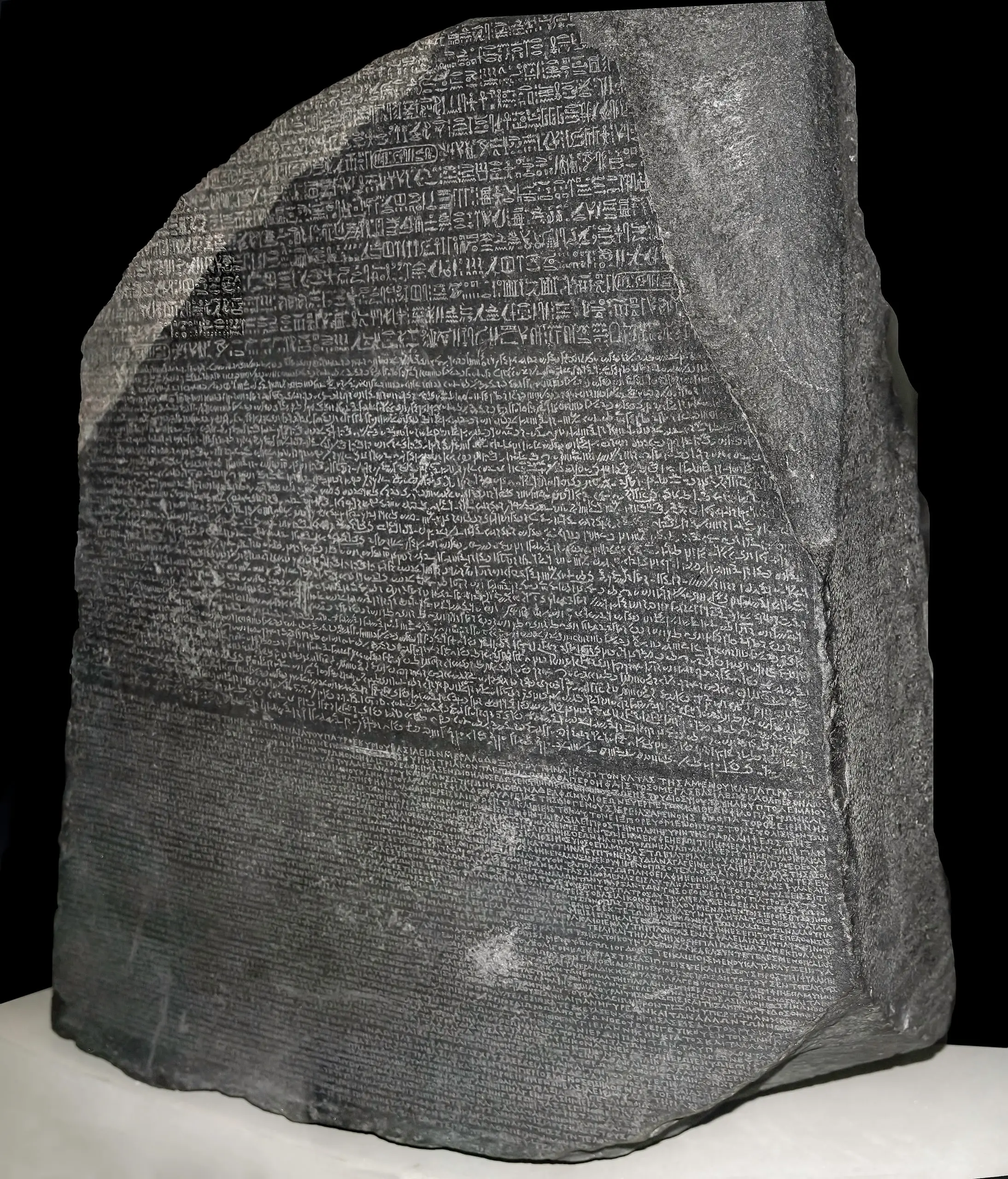
Egypt
The Rosetta Stone
196 BC
An encyclopedia of ancient objects
Each one described from the record of the museum that keeps it. Every fact cited, every disagreement shown, every photograph openly licensed.Every fact cited. Every photograph licensed.
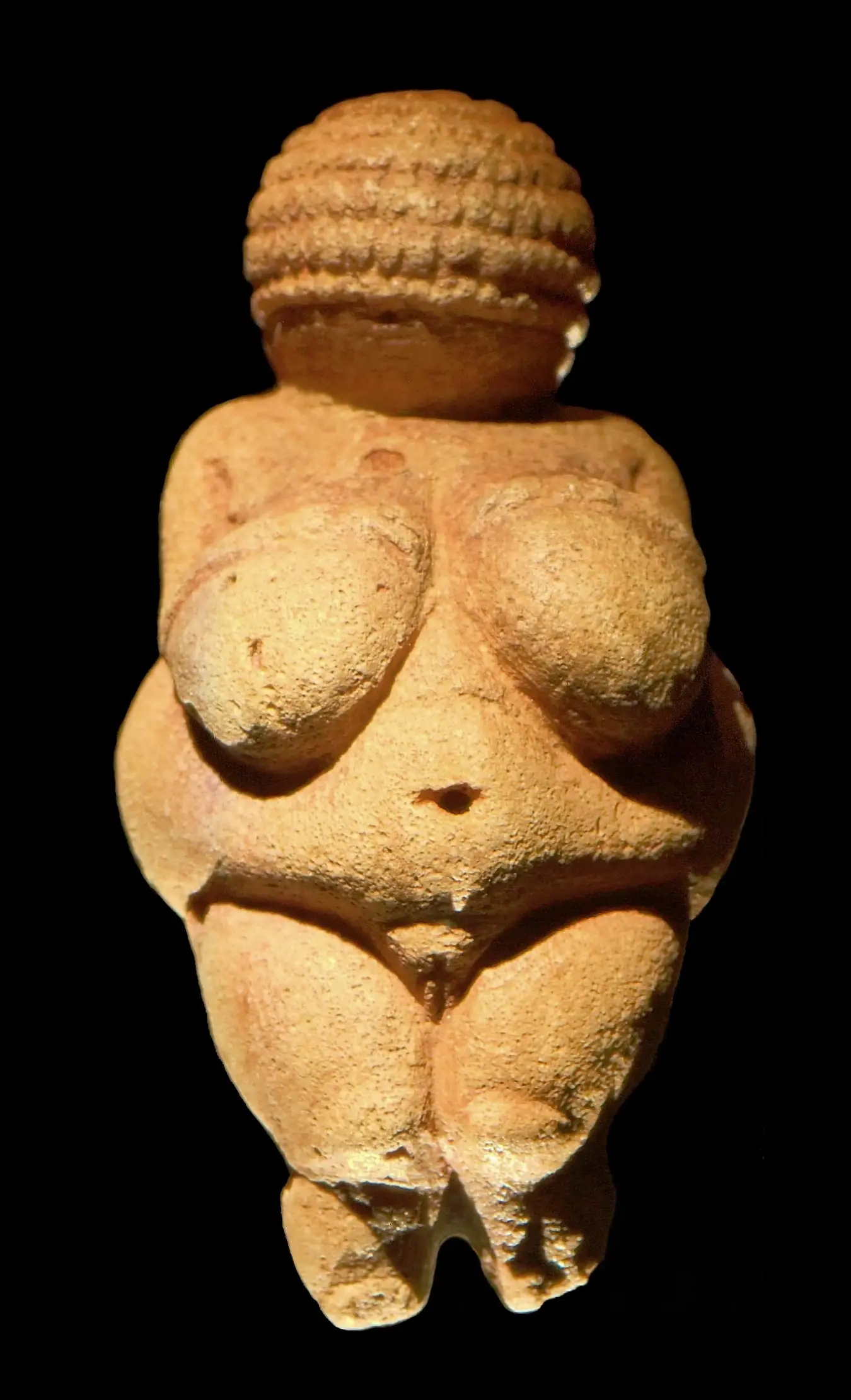
01 Upper Palaeolithic
From about 50,000–40,000 years ago until about 10,000 years ago
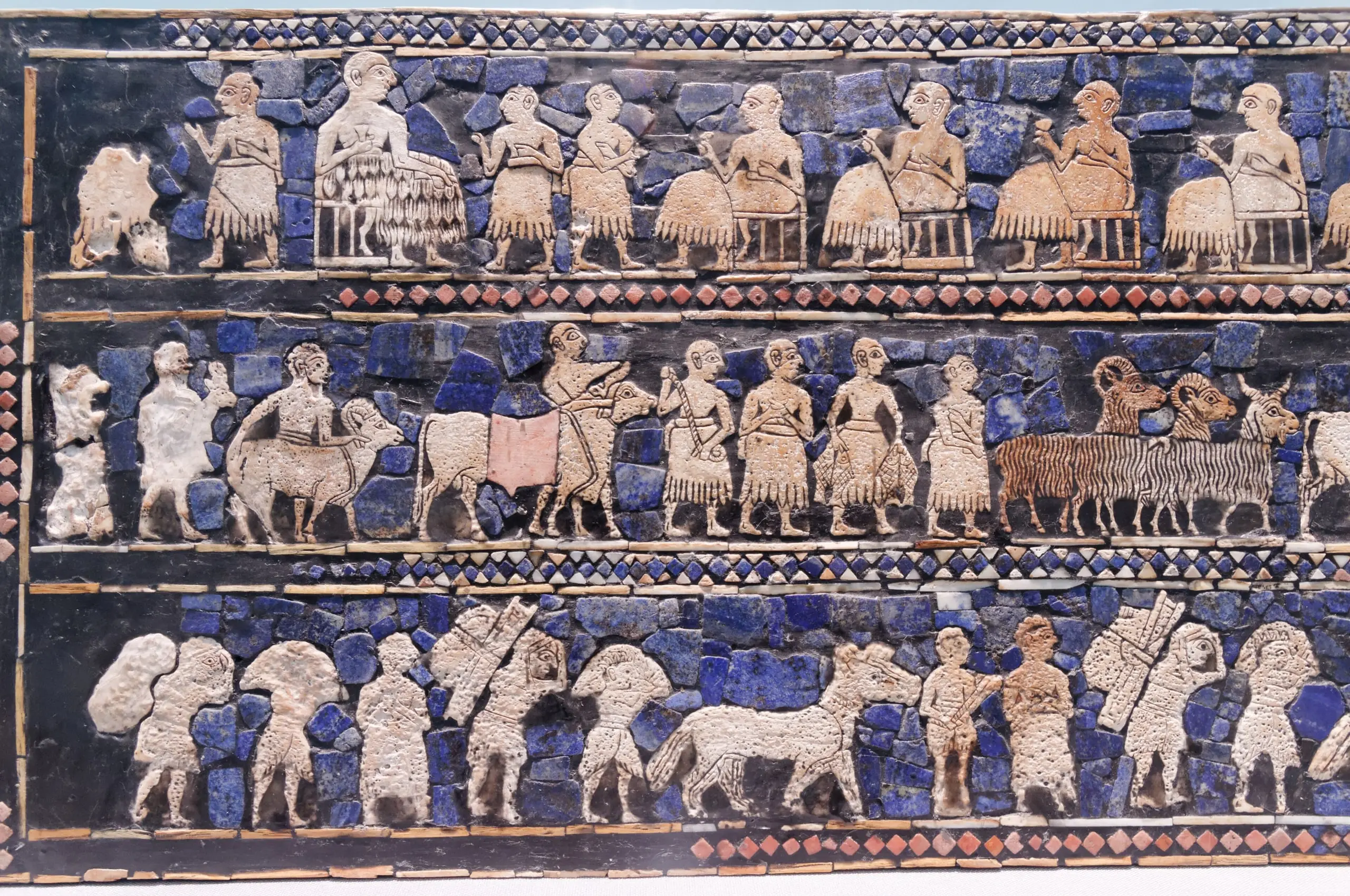
02 The first cities of southern Mesopotamia
c. 3300–1900 BC
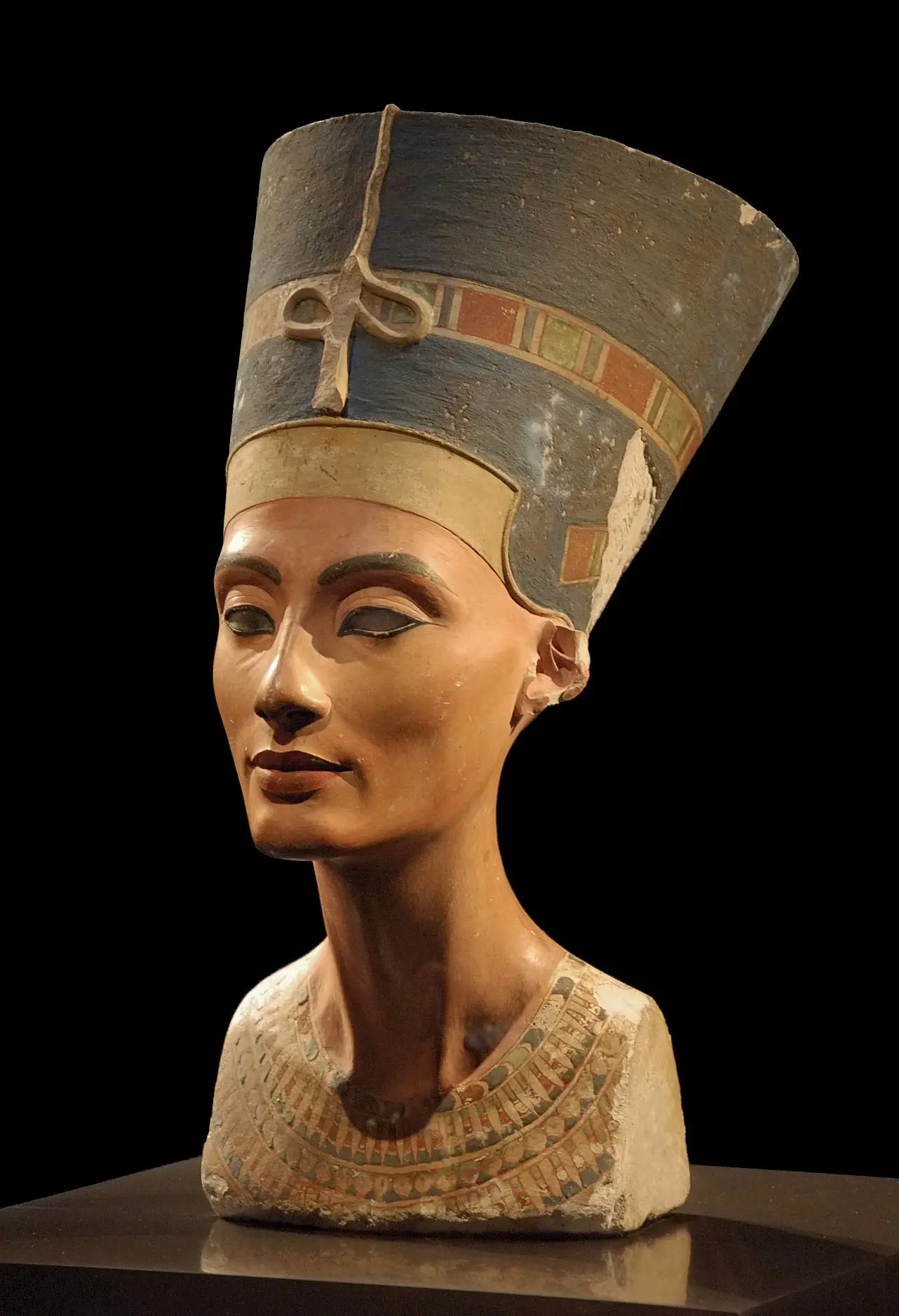
03 The age of the pharaohs
Unification in the 3rd millennium BC to the end of Ptolemaic rule in 30 BC
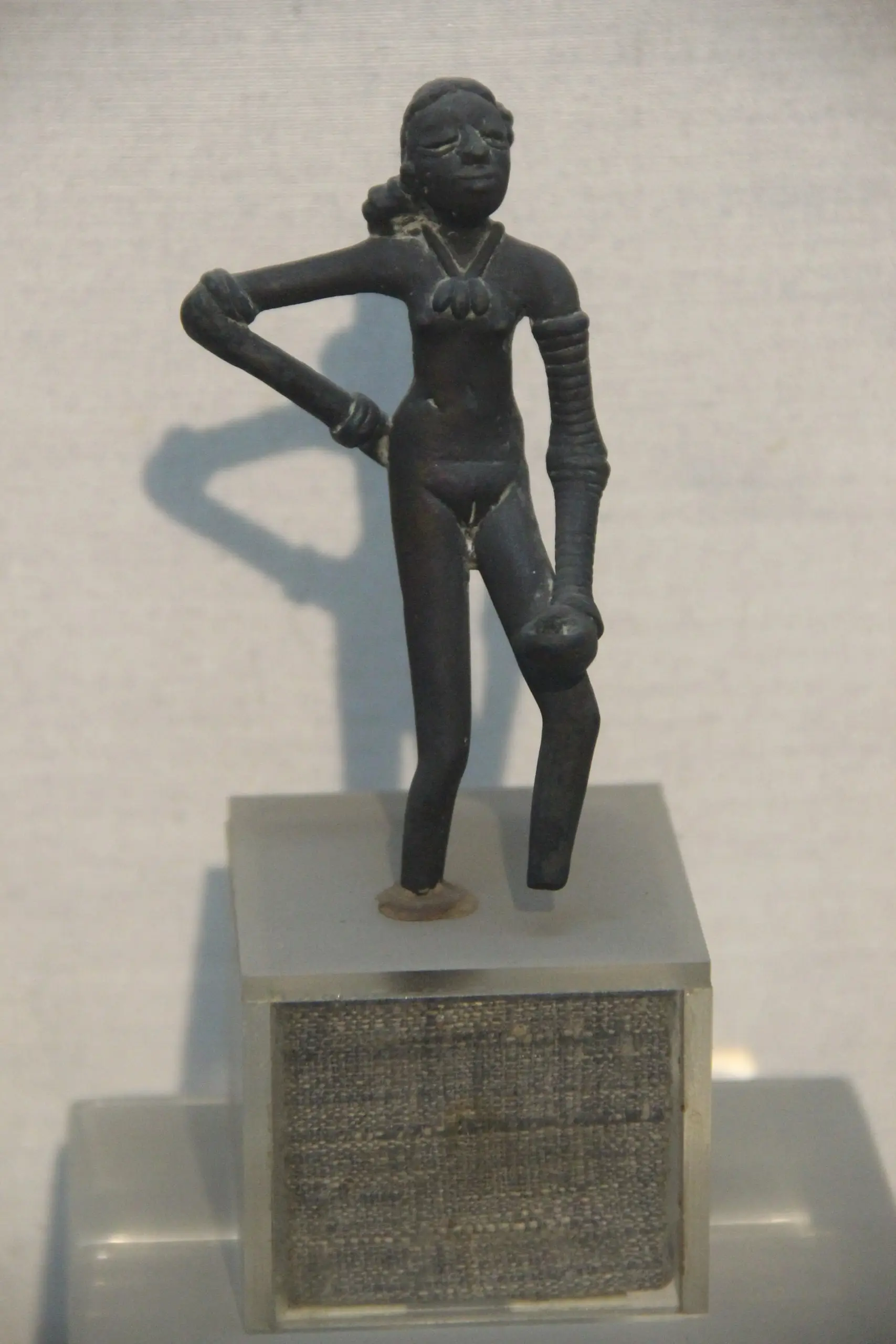
04 The Harappan civilisation
c. 2600–1900 BC
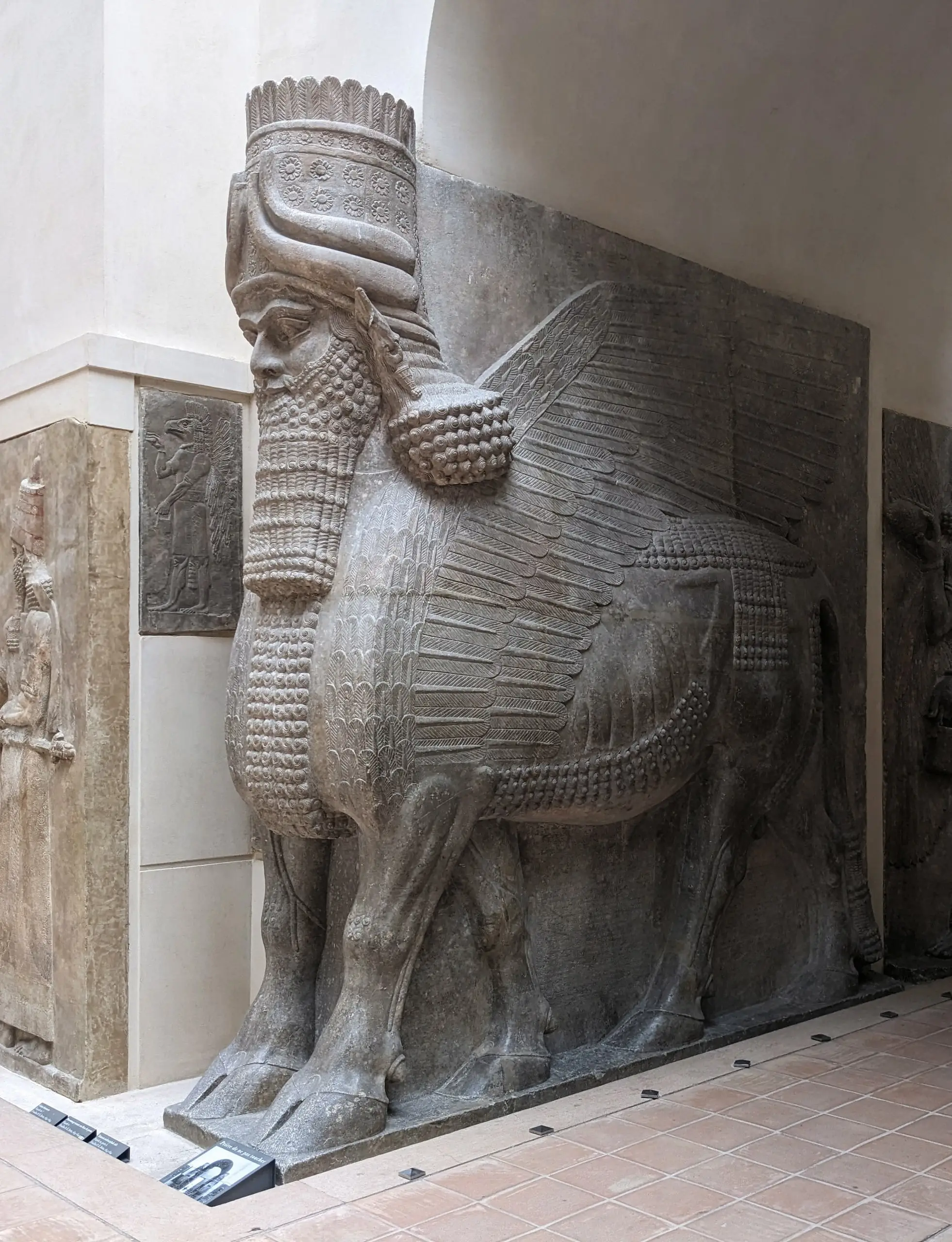
05 From Hammurabi to the fall of Babylon
c. 1900–539 BC
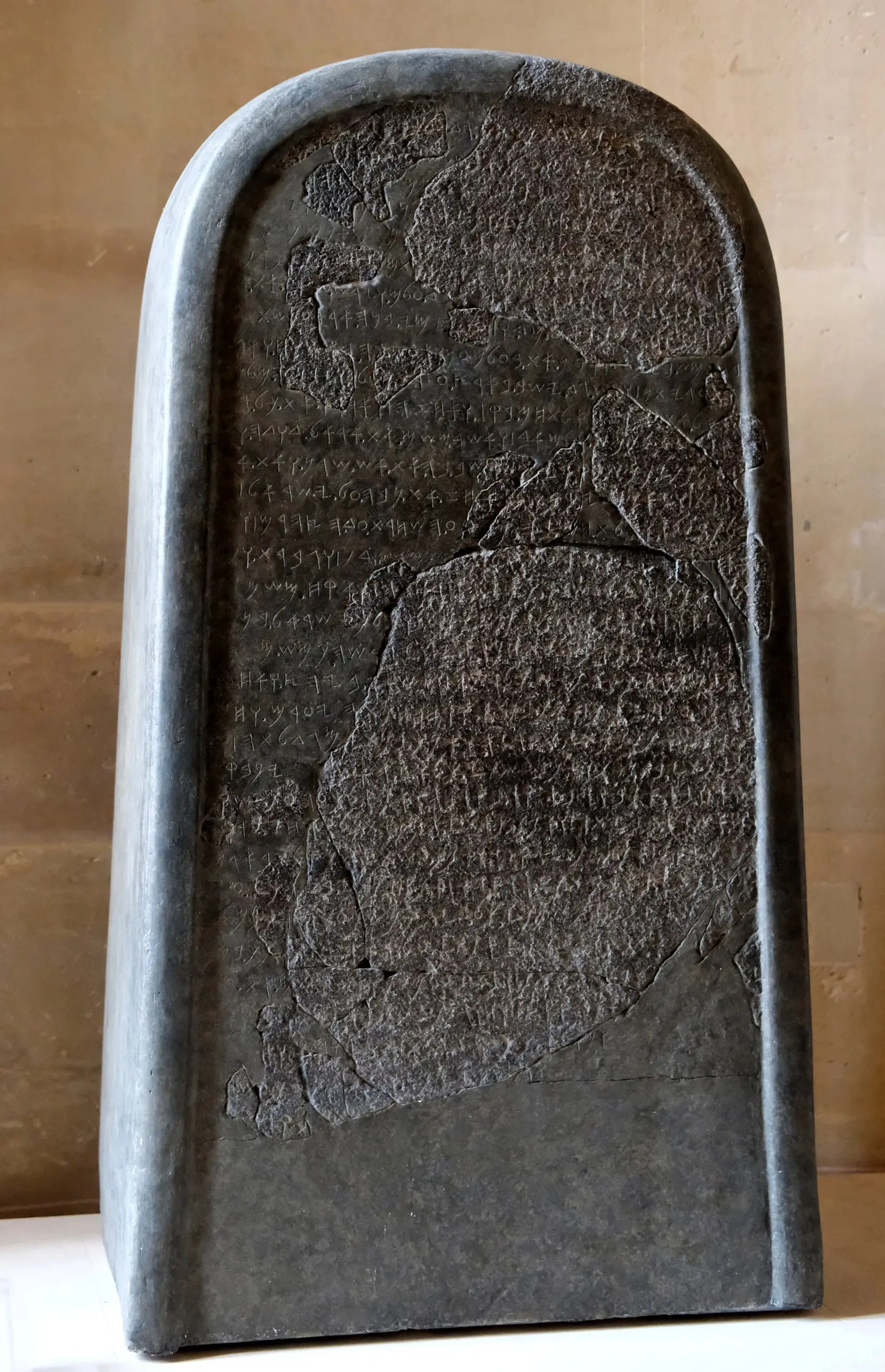
07 Kingdoms and scribes of the southern Levant
9th–2nd century BC
Dates: the range of the objects shown, from their museum records
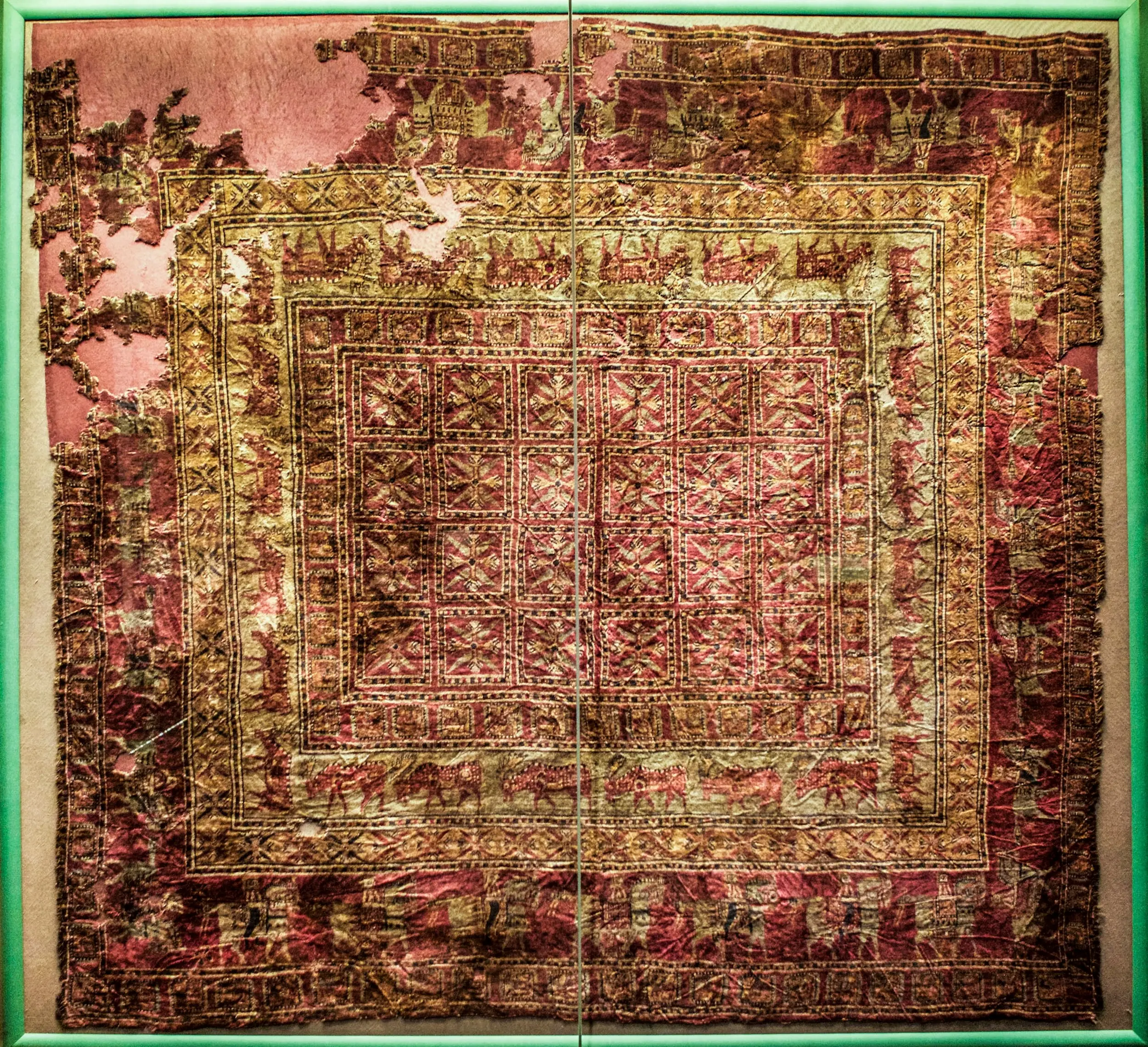
08 The age of the Scythians
Known from the 9th century BC; destroyed as a community in the 2nd century BC
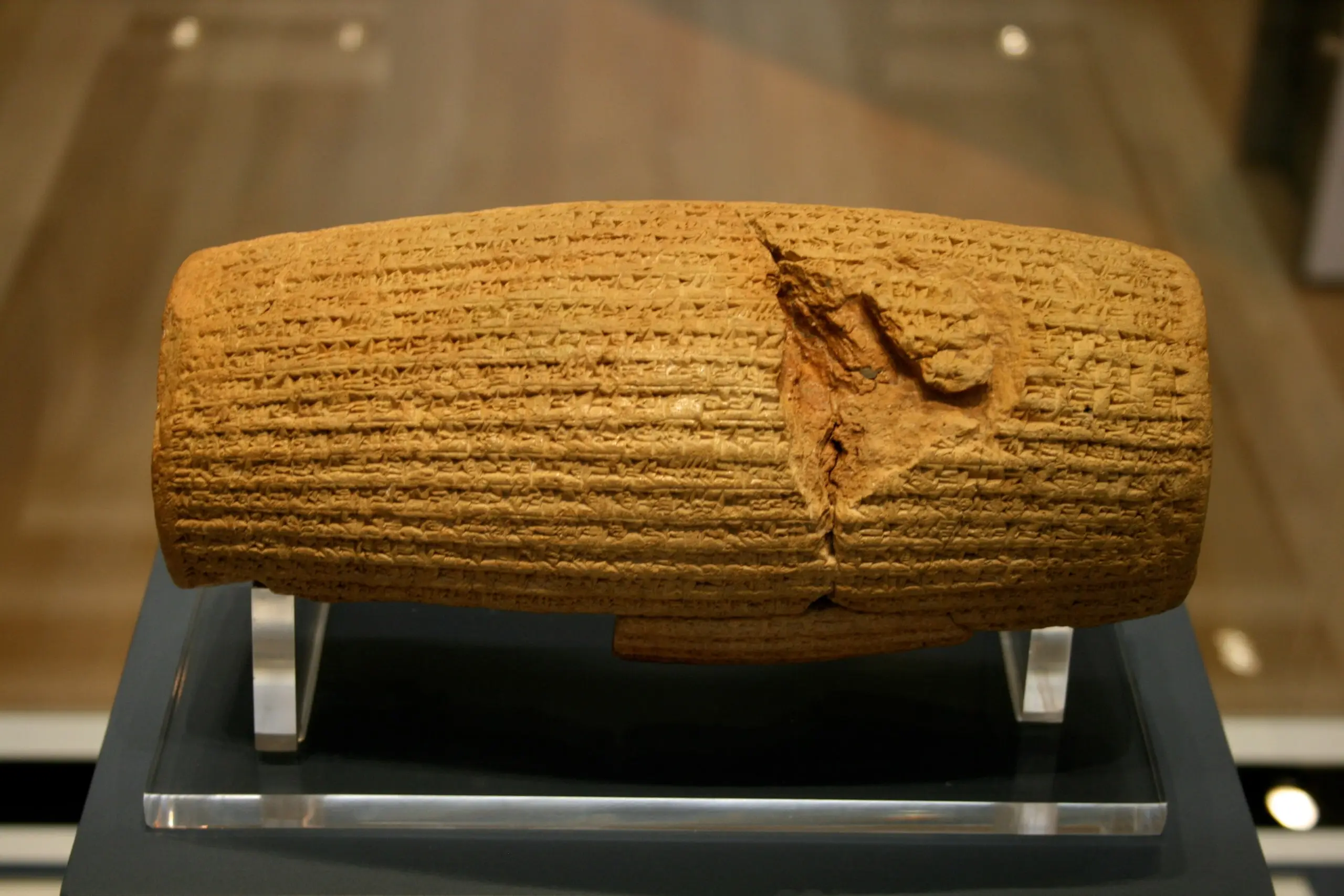
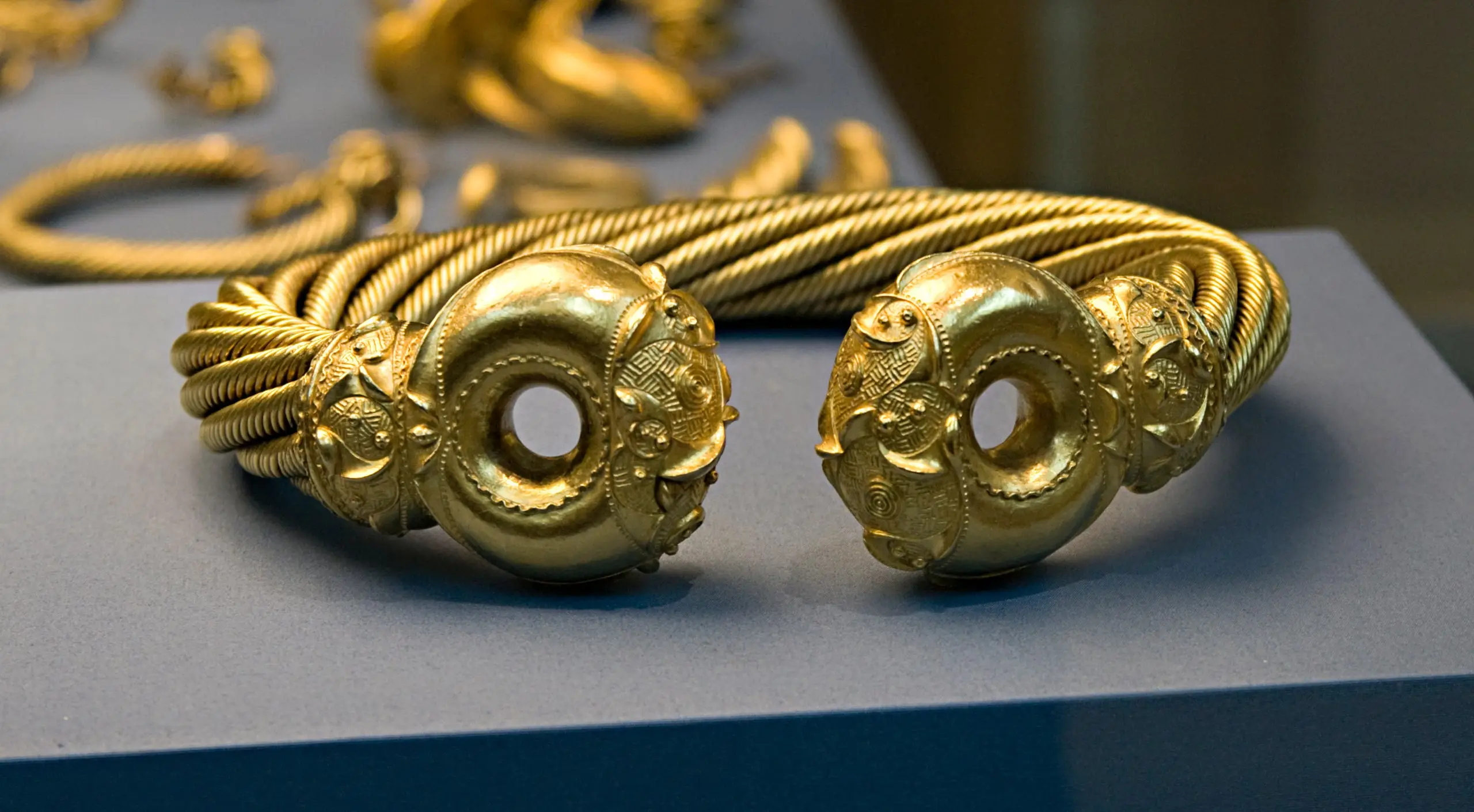
10 The La Tène Iron Age
Mid-5th to mid-1st century BC
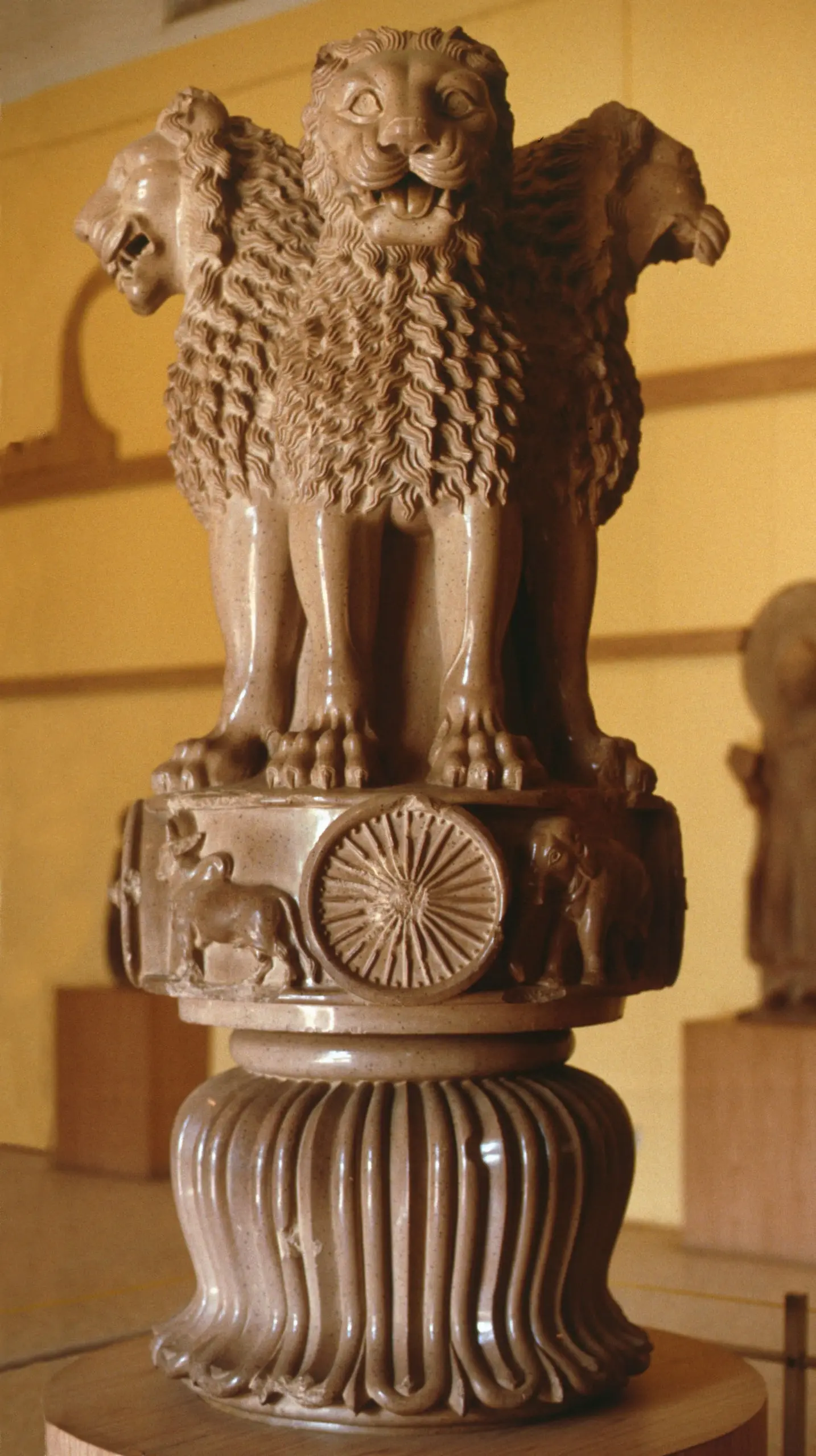
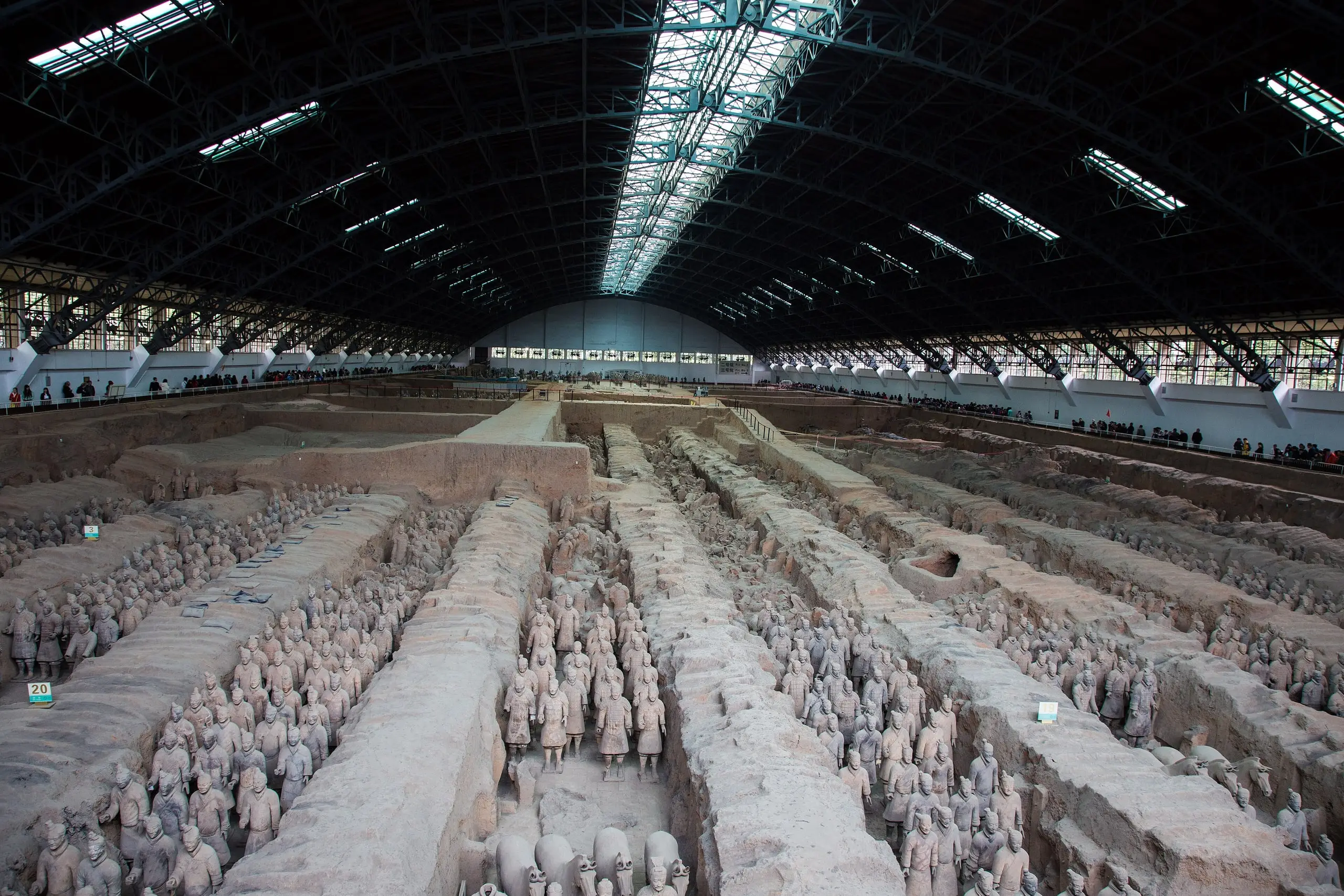
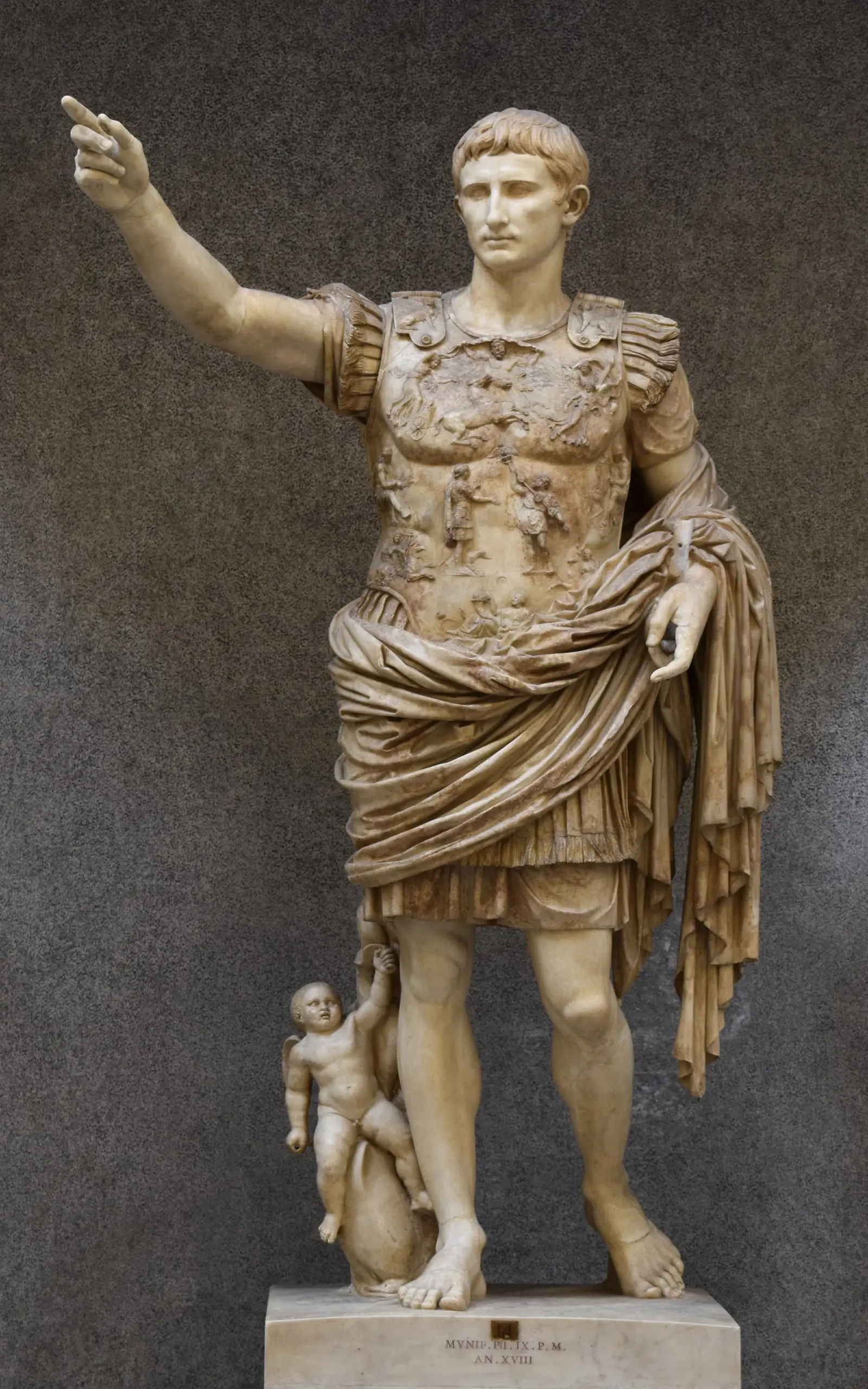
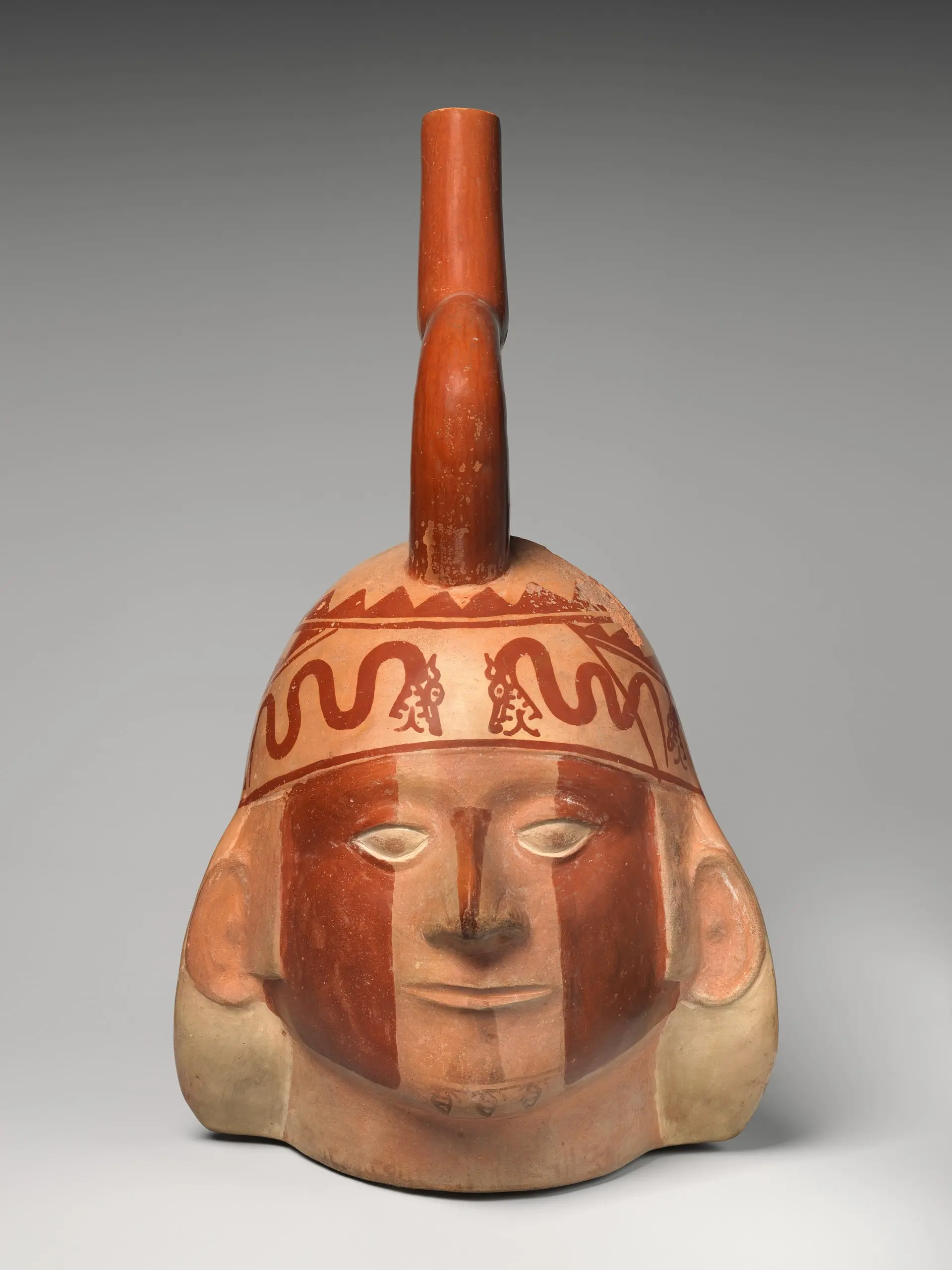
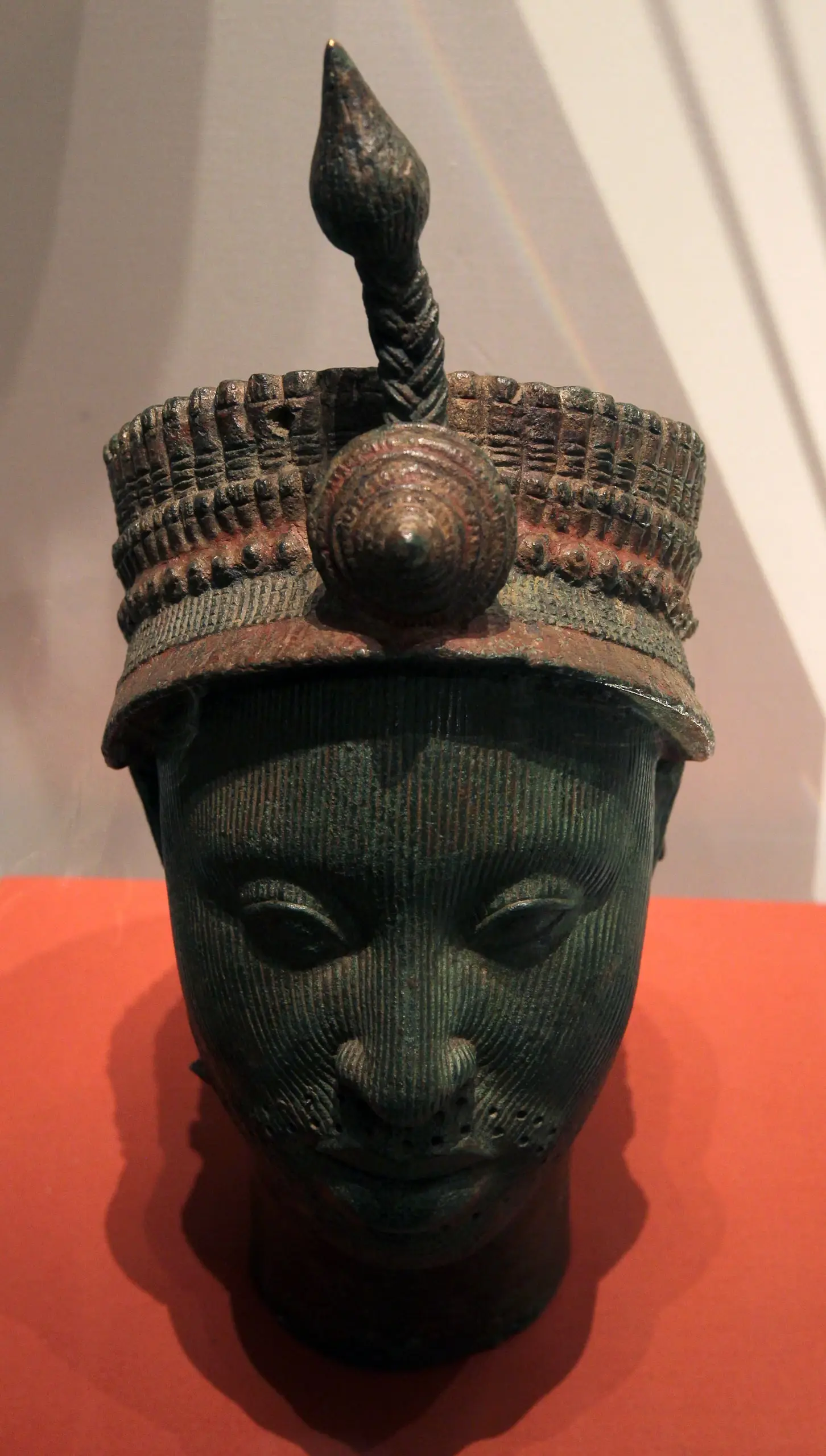
16 Kingdoms of southern and West Africa
13th–15th century AD
Dates: the range of the objects shown, from their museum records
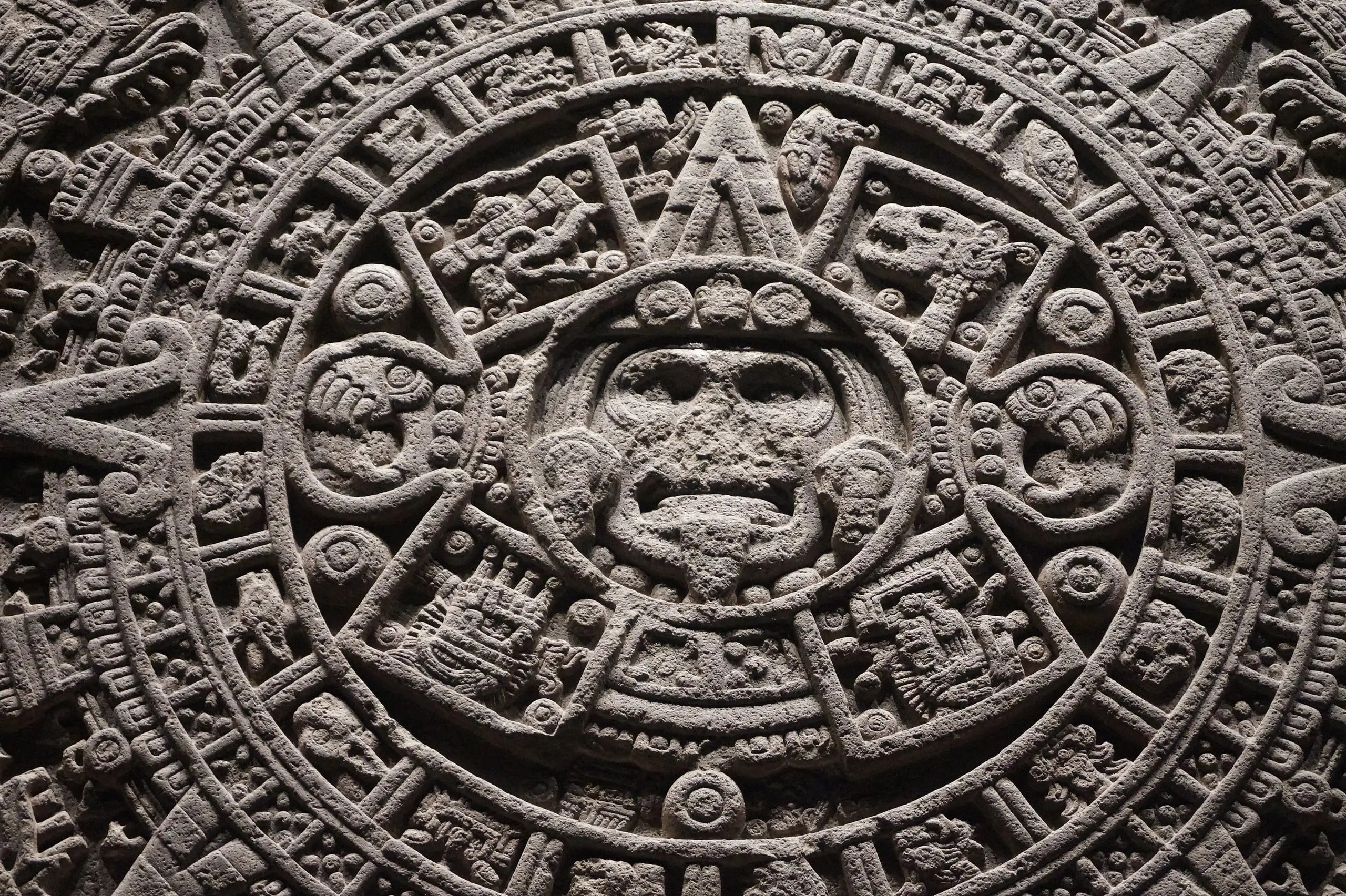
17 The Aztec Late Postclassic
AD 1250–1521
Dates: Museo Nacional de Antropología, “Piedra del Sol, ficha básica”
33objects
13civilisations
19museums
114cited sources
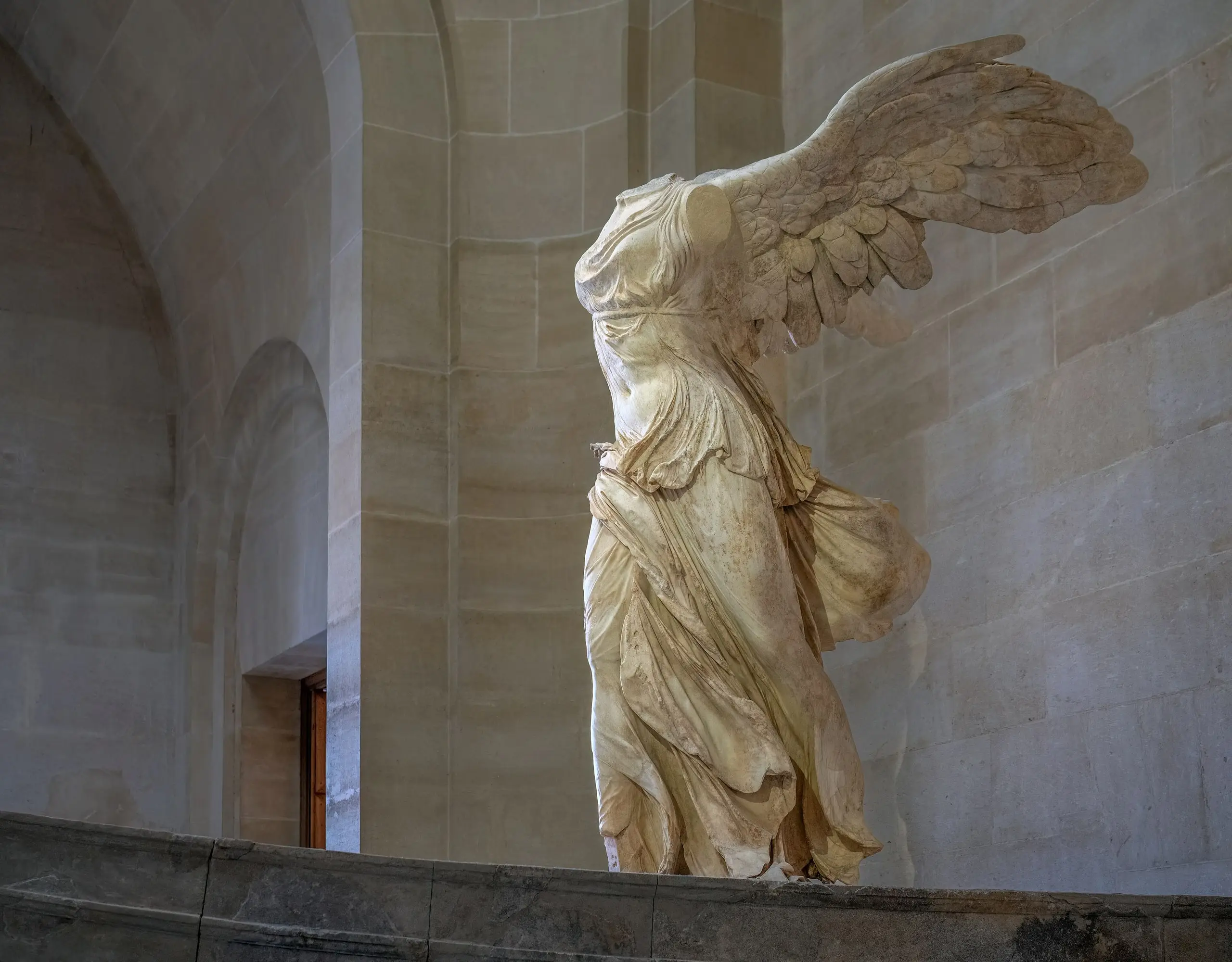
Object of the day ·
Nike alighting on the prow of a warship — a Hellenistic victory offering, set since 1883 at the head of the Louvre’s Daru staircase.
Musée du Louvre
From the collection
The rooms
Every room has its own palette and an ornament drawn after a pattern its makers used: the Egyptian lotus, the Greek key, the Mesoamerican stepped fret.
Cited to the record
Each fact on a label — date, material, size, findspot, inventory number — is footnoted to the museum’s own record or another authoritative source. What cannot be confirmed is left out and says so. Every source is listed on the sources page.
Disagreements shown
Where a museum and a second source differ, or a record contradicts itself, the entry prints both readings rather than choosing silently. Our editorial policy.
Photographs you can reuse
Only public-domain and openly licensed photographs, each checked individually and credited to its photographer. No generated images, ever. How we check.
Relicpedia is independent and carries no advertising. About the project · Report an error


